The apparent focus for health authorities should be on finding the answer to this question: “How can we create summerlike conditions indoors during wintertime?” Given the recent virus scare and health-concerns in general, that’s the question which ought to occupy the sharpest brains in medical research and among health care authorities day and night. But, unfortunately, it doesn’t. The Medical-Industrial Complex provides us with an explanation but is it the correct one? Are they maybe deliberately blind for the "elephant in the room" as presented by the statistics below?
Table of Contents
Why do we have a “flu-season” with viruses running amok wintertime but not summertime?
The Medical-Industrial Complex provides us with an explanation but is it the correct one? Are they maybe deliberately blind for the “elephant in the room” as presented by the statistics below?
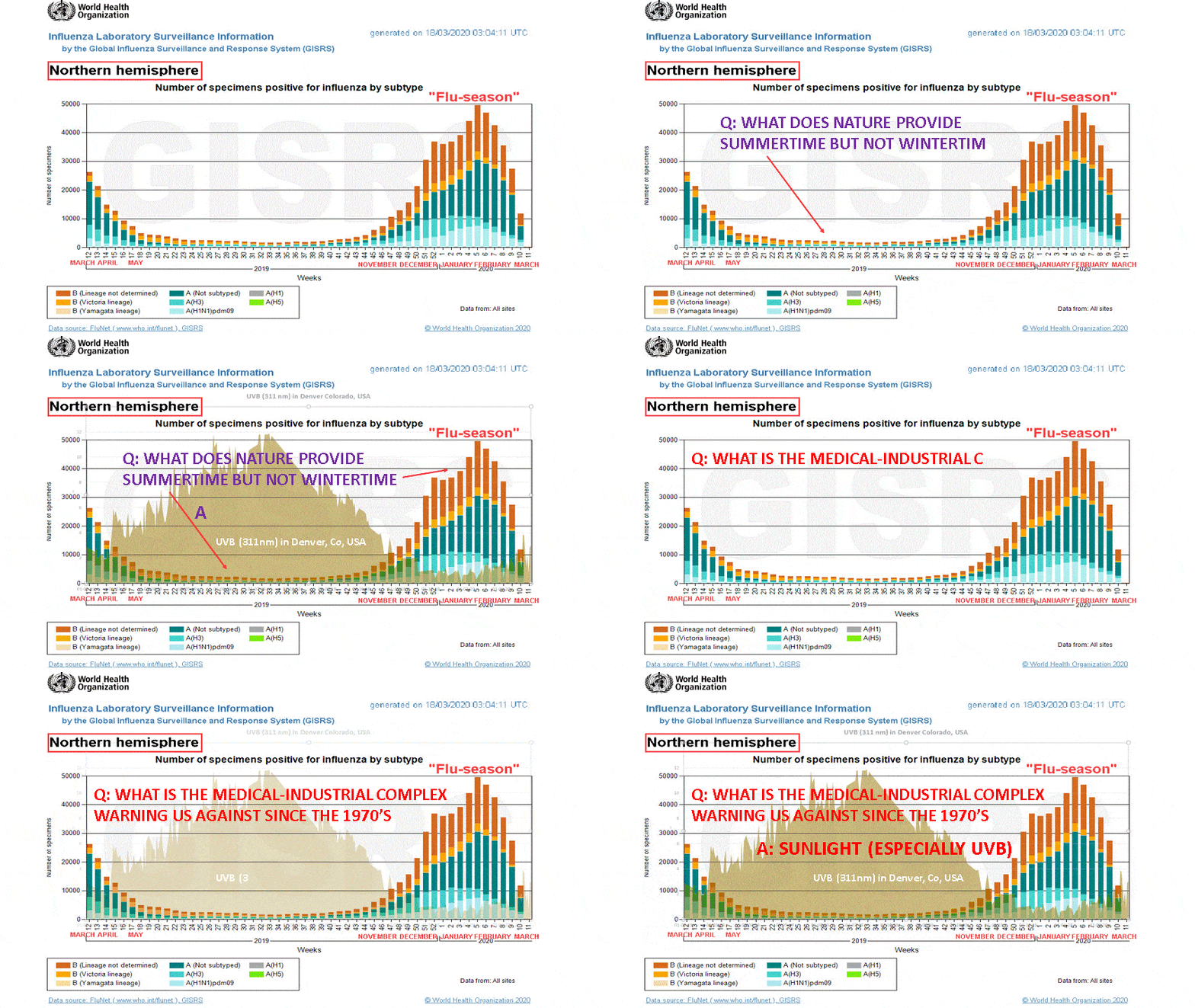
Influenza-virus- and UVB- statistics. Sources: GISRS and USDA
Summary
The apparent focus for health authorities should be on finding the answer to this question:
“How can we create summerlike conditions indoors during wintertime?”
Given the recent virus scare and health-concerns in general, that’s the question which ought to occupy the sharpest brains in medical research and among health care authorities day and night.
But, unfortunately, it doesn’t.
And, to the extent that there is any research on the subject, it’s only to support the “fact” that: “The influenza virus may survive better in colder, drier climates, and therefore be able to infect more people” and that there is “no difference in innate immunity” (at least among the guinea pigs involved in the only study trying to prove this theory).
And, with that, the case is closed for the Medical-Industrial Complex and their “truth” about why there is a flu season wintertime can be taught to students and authorities all over the world.
If any research was done on the reasons why there is virtually NO viral activity during summer, it was mainly to debunk anything suggesting that it just might have to do with the ultraviolet rays in sunlight.
This is probably the largest healthcare scandal and fraud we have ever seen and those who pushed the IARC-classification of sunlight (with UVA and UVB) as a Group 1 carcinogen have contributed to the premature death of more people than the Holocaust, EVERY YEAR!
The established “no discussion” reason for the flu-season.
The search results in Google can always be trusted to reflect the established “truth” from the large corporations that rule the world. And searching Google for: “why is there a flu season wintertime?” brings back results like these:
Topics: Dr Palese, flu season, suitable test animals, virus particles, cold viruses, upper airways, infected animals, little respiratory droplets
Some said flu came in winter because people are indoors, and children are in school, crowded together, getting the flu and passing it on to their families.
Others proposed a diminished immune response because people make less vitamin D or melatonin when days are shorter.
The ideal study would expose people to the virus under different conditions and ask how likely they were to become infected.
Flu viruses spread through the air, unlike cold viruses, Dr Palese said, which primarily spread by direct contact when people touch surfaces that had been affected by someone with a cold or shake hands with someone infected, for example.
or this …
Why is the flu more common in the winter? (webmd.com)
Topics: MEDICAL ADVICE, professional medical advice, individual circumstances, general informational purposes, medical emergency, additional information, WebMD Site
The virus lives longer indoors in winter because the air is less humid than outside.
While it’s alive and in the air, it’s easy for people to inhale it, or for it to land on the eyes, nose, or mouth.
We spend more time indoors and have closer contact with each other, which makes it easier for the virus to spread.
or this, about the one research by Dr Palese, which seemingly settled this question once and for all in the medical community:
The Reason for the Season: why flu strikes in winter – Science in the News (sitn.hms.harvard.edu)
The influenza virus may survive better in colder, drier climates, and therefore be able to infect more people (3).
He decided first to test whether or not the flu is transmitted better in a cold, dry climate than a warm, humid one.
Palese found that the virus was transmitted better at low temperatures and low humidity than at high temperatures and high humidity (see Figure 1).
Palese tested the immune systems of the animals to find out if the immune system functions poorly at low temperatures and low humidity, but he found no difference in innate immunity among the guinea pigs (5).
The results from the study suggest that influenza survives longer at low humidity and low temperatures.
The article in NYT above is the only one touching upon the issue of lack of UV-light, but in an indirect way: “Others proposed a diminished immune response because people make less vitamin D or melatonin when days are shorter.”
The influence of UV-light on viruses and on other maladies.
Trying to find information about how exposure (or lack of exposure) to UV-light influence of the human immune response, we are mainly told that too much of UVB suppresses our natural immune response.
Reading the results in Google for the question “Does lack of UV light influence on our immune response“, throws back a unison choir of answers like this from WHO (promoting Big Pharma’s vaccine before the, obviously more efficient, UVB) :
Several studies have demonstrated that exposure to environmental levels of UV radiation alters the activity and distribution of some of the cells responsible for triggering immune responses in humans. Consequently, sun exposure may enhance the risk of infection with viral, bacterial, parasitic or fungal infections, which has been demonstrated in a variety of animal models. Furthermore, especially in countries of the developing world, high UV radiation levels may reduce the effectiveness of vaccines. Since many vaccine-preventable diseases are extremely infectious, any factor that results in even a small decrease in vaccine efficacy can have a major impact on public health. (who.int)
And with that, the Medical-Industrial Complex, with their total domination of school-medicine, research grants, public PR, and political lobbying, manages to get away with blaming UV-light for contributing to the “flu-season”.
In the real-life, however, UV light, and, more specifically UVB, is the most easily identifiable component missing during wintertime compared to summertime.
As followers of this blog know, UVB from sunlight can only reach us on clear days when the sun is above ~40-45 degrees above the horizon. This means only during summertime and in short periods around noon. UVB also doesn’t penetrate glass-windows.
The absence (or presence) of UVB corresponds almost exactly to the growth (or suppression) of flu-viruses according to the statistics from WHO/Flunet in the graph above.
History of using UV-light for healing and prevention.
Sunlight is the main reason for any life on earth and the sun has been worshipped in most highly developed societies as long as history is known.
Treatment of illnesses with sun-exposure was the most common method for thousands of years up until the middle of the 20th century.
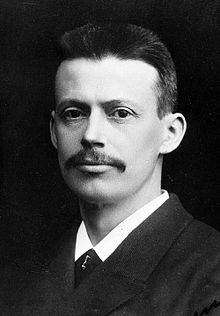
Niels Ryberg Finsen
As late as 1903, the Danish doctor, Niels Ryberg Finsen, was awarded the Nobel prize for his treatment of tuberculosis with UV-light and in his book, “The Healing Sun”, Richard Hobday presents many more proofs of how sunlight successfully was used for healing purposes.
However, since about 1980, any research and even more so practice of sun-exposure for healing purposes is thrown into the memory hole of medical science.
There are, however, some studies are showing the benefits of sun exposure and the dangers from a lack of sun exposure.
According to WHO, smoking kills 8 million people every year. That is more than a Holocaust EVERY YEAR!.
But this kind of research doesn’t get any traction among the corporate medical establishment and are even met with an avalanche of counter-arguments based on much less believable research.
And, with the classification in IARC of sunlight and UV-light as carcinogens, against them, the promotors of sunlight for human healing and prevention are fighting an uphill battle.
As Joseph G. Hattersley explains …
ultraviolet light: MYTHS AND FACTS America has a phobia, an irrational fear, about ultraviolet (UV) light. In a new science fad, unwise practices are being urged on us. The resulting sickness and misbehaviour will mystify yet enrich physicians, psychiatrists, dentists and criminal specialists as well as pharmaceutical drug companies. In too many scientific and medical fields, for a lot of researchers, the truth is defined only in relation to the next grant, peer pressure and the fight to further an entrenched view. This essentially political process goes on despite any–in this case very strong–evidence to the contrary.1 Much “science” research is known to be fraudulent.2, 3 (bibliotecapleyades.net)
Can Full-Spectrum Light provide summerlike conditions indoors during wintertime?
Full-spectrum light in office and school
Looking at the statistics from WHO/GISRS, the provision of a summerlike environment during wintertime ought to be of the highest priority for everyone. The efficiency in suppressing viruses in a natural way trumps anything that any vaccine-maker can take credit for.
But, there is (obviously) no interest within the medical-industrial complex to pursue such research (since it would risk their profits from vaccines and other chemical remedies) and health-authorities, who could (and should) look at this alternative, are either bought or convinced by corporate media that UV-exposure is deadly.
Otherwise, they could refresh their minds by some research about …
PHOTOBIOLOGY Starting from a high school hobby of time-lapse photography, the late John N. Ott, DScHon,19 founded the new science of photobiology. He was active until his tenth decade. Dr Ott’s last book, one of many publications, is Light, Radiation and You: How to Stay Healthy (1990).20 In it, he wrote
In 1973, radiation-shielded full-spectrum (FS) lights were installed in five classrooms in Sarasota, Florida. And what happened? Several extremely hyperactive, learning disabled children calmed down completely and learned to read. Absenteeism decreased. The children in four rooms with standard lighting continued to behave inappropriately (tracked by hidden motion-sensing cameras); their learning disabilities and absences were undiminished.59 And after a year, the students in the full-spectrum classrooms had one-third fewer cavities than those taught under standard lighting… Similar results were reported from California, Washington State, and Alberta, Canada.61 A comparison in Vermont found that full-spectrum light strengthened immunity.62, 63 Why was there so much less tooth decay after exposure to a full-spectrum light, including traces of ultraviolet light? And why did immunity improve under FS light? According to Dr Ott: “Every food substance and every drug has a specific wavelength absorption. If these wavelengths are missing in the artificial light source to which a person is exposed, then the nutritional or other hoped-for benefits of the substance are not realized. ” 63a UV acts as a nutrient and as a cofactor (a substance needed for a physical process) when other nutrients are used.
For example, full-spectrum light corrected the children’s lack of vitamin d3 (not the same as the toxic form of vitamin D added to milk), now considered a pro-hormone… FS light also strengthens immunity in other ways. Among other things, it helps protect against multiple sclerosis, heart attacks and the transformation of HIV into AIDS. These are described in detail and in detail in the further course of the paper [see NEXUS website]. “Do we protect ourselves from ultraviolet whenever we can see our shadow,” as the EPA warns alarmingly? Wouldn’t that then be a full-employment plan for dentists, orthopaedic surgeons and oncologists, as well as for pharmaceutical companies?
End-stage cancer patients, whom Dr Ott knew personally, recovered in a rocking chair in the sunshine. Dr Jane Wright, who headed cancer research at the Bellevue Memorial Medical Center in New York City in 1959, was fascinated by Ott’s ideas. She instructed patients with progressive tumours to avoid artificial light and to spend as much time outside as possible that summer. They should not wear sunglasses or corrective lenses that block UV light. By the autumn, 14 out of 15 tumours had not grown, and some patients were getting better; the one whose condition worsened was sitting outside but wearing prescription lenses. Ott was criticized for not having carried out scientifically controlled studies on humans. Well, the funding for the continuation of this study was withdrawn – that was his experience, which he has made time and again.67
Many dermatologists advise older patients not to go out in the sun to avoid skin cancer. Just think of the thousands of elderly patients who are rotting away in nursing homes. This advice may unintentionally contribute to patients getting sicker and older beyond their years. Staying in a home will cause problems that are much worse than skin cancer. The bones of older people will crumble and break (osteoporosis); these older patients will hate life (depression). Articles in the journals Cancer, cancer research, and Preventive Medicine suggest that avoiding sunlight may promote the development of cancers other than skin cancer.96, 97, 98
In a laboratory, the viruses are weakened by exposure to full-spectrum light containing traces of UV radiation. Infectious organisms such as E. coli K12 AB2480, which can cause food poisoning, do not like ultraviolet either.82 The Morris Center in Winnipeg, Canada, promotes “amazing” healing by irradiating wounds with full-spectrum light.83 See (naturaltherapycenter.com) for the full list of benefits from Full-Spectrum Light
Sunlight gives much more benefits for health than only Vitamin D.
Since the discovery of the relationship between UV(B) exposure and vitamin D level, much of the discussion about the benefits of UV-light has come to be about Vitamin D only.
This is a huge mistake and a deliberate diversion.
Since our blood levels of Vitamin D easily can be pushed up by taking supplements, we are led to believe that supplements can substitute UV-exposure.
Many researchers are now aware of that vitamin D might only be a way to measure if we have had enough exposure to 311 nm UVB (the healing rays).
Pushing up the level of vitamin D with oral supplements is like adjusting the gasoline-meter on a car to show that there is plenty of gas in the tank while, in reality, it is empty.
Dr Mercola summarizes the overall health benefits from sun-exposure in this article:
There are so many more benefits from exposure to sunlight (and UV light). Here are some examples: Without the sun, there would be no life on this planet, and your body needs the sun for optimal health. The sun can be a great healer, offering benefits far beyond vitamin D synthesis.
As photobiologist Alexander Wunsch noted, humans are adapted to sunlight as a complex stimulus that, in the right dosage, helps to keep our biological systems running.
When we talk about sunlight to optimize vitamin D production, we are only looking at a small part of the light’s spectrum of effects, because only ultraviolet B (UVB) radiation can photosynthesize vitamin D in your skin.
However, sunlight contains many other wavelengths, and we have probably only scratched the surface when it comes to identifying the biological activity that is affected by the different parts of the solar spectrum.
Dr Auguste Rollier, who has written textbooks on heliotherapy, emphasizes that the composition of the different parts of the light spectrum is crucial, not only to achieve all the benefits of the sun but also to protect against possible damage.
For example, while UVB synthesizes vitamin D in your skin, it can also change DNA structures, and the ultraviolet A (UVA) rays in sunlight can produce reactive oxygen species in tissue, causing damage.
Your skin needs other parts of the light spectrum to cope with these side effects, such as near-infrared and red light, to transmit energy to your cells.
While UVA is associated with tissue damage and wrinkles, UVA also produces nitric oxide (NO) in your skin, which positively affects your body in several ways.
Most importantly, nitric oxide protects your heart by relaxing your blood vessels and lowering your blood pressure. It also stimulates your brain, kills bacteria and helps fight off tumour cells – so even UVA cannot be written off as “very bad”, provided it is not excessive.
Nitric oxide is a natural antioxidant that acts as a potent free radical when in excess, so too much exposure to UVA can be counterproductive and lead to skin damage.
In short, the full mix of light wavelengths in sunlight allows your body to respond in a balanced and beneficial way, which is one of the reasons why I believe that regular exposure to the sun is such a vital part of a healthy lifestyle.
According to a publication in the journal Dermato Endocrinology8 in 2012, a large number of molecules (chromophores) found in the various layers of your skin absorb and interact with ultraviolet radiation, creating a series of complex and synergistic effects – many of which are very beneficial to your health.
If you are exposed to natural sunlight every day, this is ideal, not only for vitamin D synthesis but also for the circadian rhythm (blue during the day and red at night), the production of nitric oxide, mitochondrial respiration (red and infrared) and much more. Also, your pineal gland reacts to the contrast between bright sunlight during the day and darkness at night to deliver healthy melatonin levels. If you are interested in this topic, I recommend reading the classic article by Richard J. Wurtman: ‘The Effects of Light on the Human Body.’
The many and varied effects of light described by me, support the view that human health considerations, as well as visual and aesthetic aspects, should be taken into account when designing lighting environments. We have learned that the chemical components of the environment in the form of food, medicines and pollutants must be monitored and regulated by authorities with appropriate enforcement powers.
It’s their responsibility to ensure that nothing harmful enters the food or medicines and that everything essential stays in the diet. The food and drug industry, for its part, seeks intellectual guidance from public and private research organizations, including its laboratories, on how to create healthy and useful (and profitable) products.
In contrast, only tiny amounts of money are spent to characterize and utilize the biological effects of light, and very little has been done to protect citizens from potentially toxic or biologically inadequate lighting environments.
Despite all the proven benefits of sunlight, most dermatologists and organizations such as the World Health Organization’s International Agency for Research on Cancer and the US Surgeon General’s Office recommend strict avoidance of sunlight to prevent skin cancer. Unfortunately, such advice can do far more harm than good, warns a recent study10 . According to a press release of the Vitamin D Society:11
“Following restrictive advice on sun exposure in low-intensity countries like Canada, this could indeed be harmful to health, says the co-author of a new study on sunlight and vitamin D… “Humans have adapted to exposure to sunlight for many thousands of years and, in addition to vitamin D, have many physiological benefits from UV exposure,” said Baggerly, CEO of GrassrootsHealth… . https://www.tandfonline.com/doi/full/10.1080/07315724.2015.1039866#.VY_gmmAeAjc
“These benefits are in addition to the benefits of vitamin D alone and cannot be substituted by vitamin D supplements. Therefore, the lack of sunlight as recommended by the US Food and Drug Administration, the Canadian Cancer Society, the Canadian Dermatology Association and others is an unnecessary risk to Canadians”.
Their skin is perfectly adapted to the interaction with sunlight, according to an article published in the journal Dermato Endocrinology8 in 2012.
Not surprisingly, a number of skin conditions can be treated with phototherapy. This includes: psoriasis, atopic dermatitis and sclerosing skin conditions such as morphea, scleroderma, vitiligo and mycosis fungoides. But the benefits do not end there. The medical literature shows that sun exposure also helps:
– improving mood and energy by releasing endorphins
– Protection against and suppression of symptoms of multiple sclerosis (MS)
– protection against melanoma and the reduction of mortality from it
– Induce nitric oxide (NO), which protects your skin from UV damage and provides protection for the cardiovascular system, promotes wound healing through its antimicrobial action and has a certain anti-cancer effect.
– Melatonin regulation by the “third eye” of the pineal gland’s epiphotoreceptors
– Treatment of neonatal jaundice
– Synchronize important biorhythms by sunlight entering your eye and hitting your retina
Finally, this research report by Asta Juzeniene and Johan Moan, “Beneficial effects of UV radiation other than via vitamin D production” (of course not getting any attention of the medical corporate elites) shines a bright light on the health benefits (in addition to vitamin D) from UV-light.
Abstract
Prof. Johan Moan
Most of the positive effects of solar radiation are mediated via ultraviolet-B (UVB) induced production of vitamin D in skin. However, several other pathways may exist for the action of ultraviolet (UV) radiation on humans as focused on in this review. One is induction of cosmetic tanning (immediate pigment darkening, persistent pigment darkening and delayed tanning). UVB-induced, delayed tanning (increases melanin in skin after several days), acts as a sunscreen. Several human skin diseases, like psoriasis, vitiligo, atopic dermatitis and localized scleroderma, can be treated with solar radiation (heliotherapy) or artificial UV radiation (phototherapy). UV exposure can suppress the clinical symptoms of multiple sclerosis independently of vitamin D synthesis. Furthermore, UV generates nitric oxide (NO), which may reduce blood pressure and generally improve cardiovascular health. UVA-induced NO may also have antimicrobial effects and furthermore, act as a neurotransmitter. Finally, UV exposure may improve mood through the release of endorphins.
Why does WHO so vehemently favor vaccines, antibiotics, and other chemicals before natural remedies?
The question is brilliantly answered by Dr Pascal Sacré in his article in the wake of the H1N1 viral pandemic in 2009: “Politics and corruption at WHO”:
Though even one death is one too many, compared with the alarmist forecasts from this professional organisation that were foisted on all the ministries of health the world over, one could say that the H1N1 viral pandemic, version 2009, has so far produced not much more than a mouse.
But what a fabulous show for the media! What a brilliantly organized panic! How many millions of euros spent, and best of all, what worrying rumours, about the health risks linked this time to the vaccination, which might not even work!
Thus arose a psychosis that might have stolen the headlines even from a much more palpable threat, much more deadly and with effects that have already been felt to the bone by a large part of the world’s population: the climatic impacts of pollution and of the way of life engendered by the currently prevailing ideology, that of extreme and unfair capitalism, “deregulated” as it is called in the sober phraseology of its well-heeled master thieves.
Meanwhile, the media, ignoring for a moment its celebrities and football matches, chose to focus the limelight – and thus the gaze of the spectator sheep – on the representatives, experts and spokespersons of this organization, the WHO. Until this year its existence may have been news to some people, but now its importance is plain to see.
We have been shown people with serious faces and a professional air, the sort to whom ordinary mortals tend to ascribe genuine competence and evident integrity.
Read Dr Sacré’s full article in the embedded pdf here below:
Conclusion
Will the Corona COVID-19 virus spread and panic during winter and spring 2019-2020 be the spark that finally discloses the fraud and corruption imposed on our society by the Medical-Industrial Complex (a.k.a. BIG PHARMA)?
Will the statistics of virus activities over the year, combined with the overlaid statistics of UVB in nature (as shown above) together with all other information referred to in this article, trigger any kind of reaction among health-authorities?
I doubt but still hope it will make some people aware enough to seek the real answer to the question why there is flu-season wintertime but not summertime?
From that should then, hopefully, follow the demand of action for governments to provide their citizens with summerlike conditions indoors during wintertime, something which clearly would be more productive, less dangerous, and MUCH less costly than the chemicals from the Medical-Industrial Complex. And save at least 8 million people every year from premature deaths.
This website uses cookies to improve your experience. We'll assume you're ok with this, but you can opt-out if you wish.AcceptRejectRead More
Privacy & Cookies Policy
Privacy Overview
This website uses cookies to improve your experience while you navigate through the website. Out of these cookies, the cookies that are categorized as necessary are stored on your browser as they are essential for the working of basic functionalities of the website. We also use third-party cookies that help us analyze and understand how you use this website. These cookies will be stored in your browser only with your consent. You also have the option to opt-out of these cookies. But opting out of some of these cookies may have an effect on your browsing experience.
Necessary cookies are absolutely essential for the website to function properly. This category only includes cookies that ensures basic functionalities and security features of the website. These cookies do not store any personal information.
Any cookies that may not be particularly necessary for the website to function and is used specifically to collect user personal data via analytics, ads, other embedded contents are termed as non-necessary cookies. It is mandatory to procure user consent prior to running these cookies on your website.


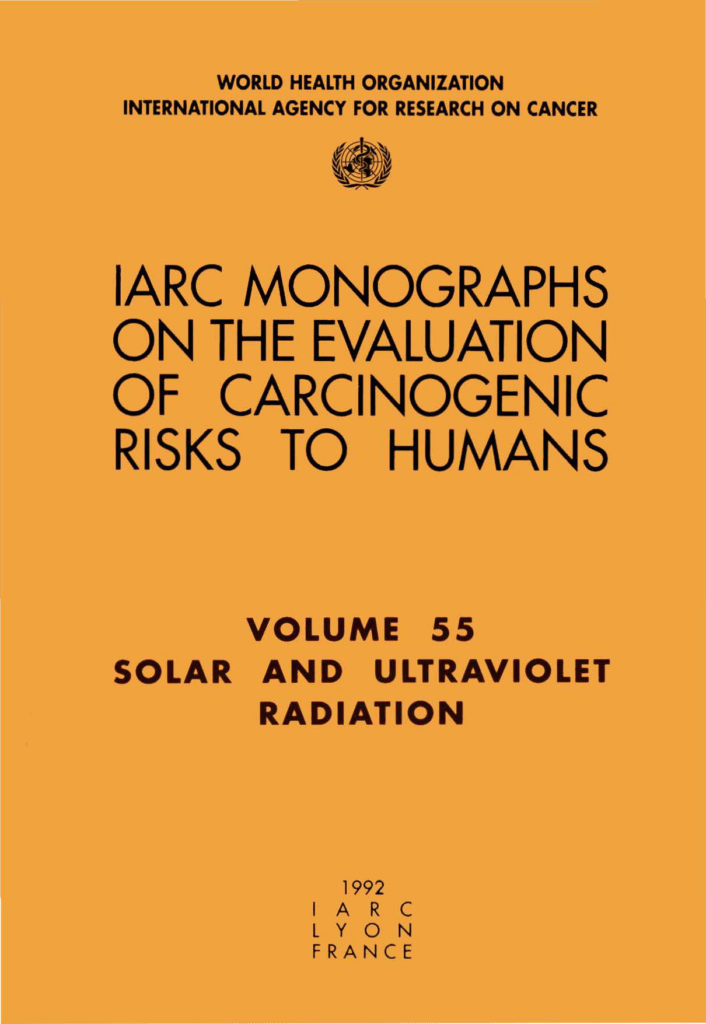 And, with the classification in IARC of sunlight and UV-light as carcinogens, against them, the promotors of sunlight for human healing and prevention are fighting an uphill battle.

 Why does WHO so vehemently favor vaccines, antibiotics, and other chemicals before natural remedies?






2 Comments
thanks for info
Comments are closed.